

Description
Product Overview
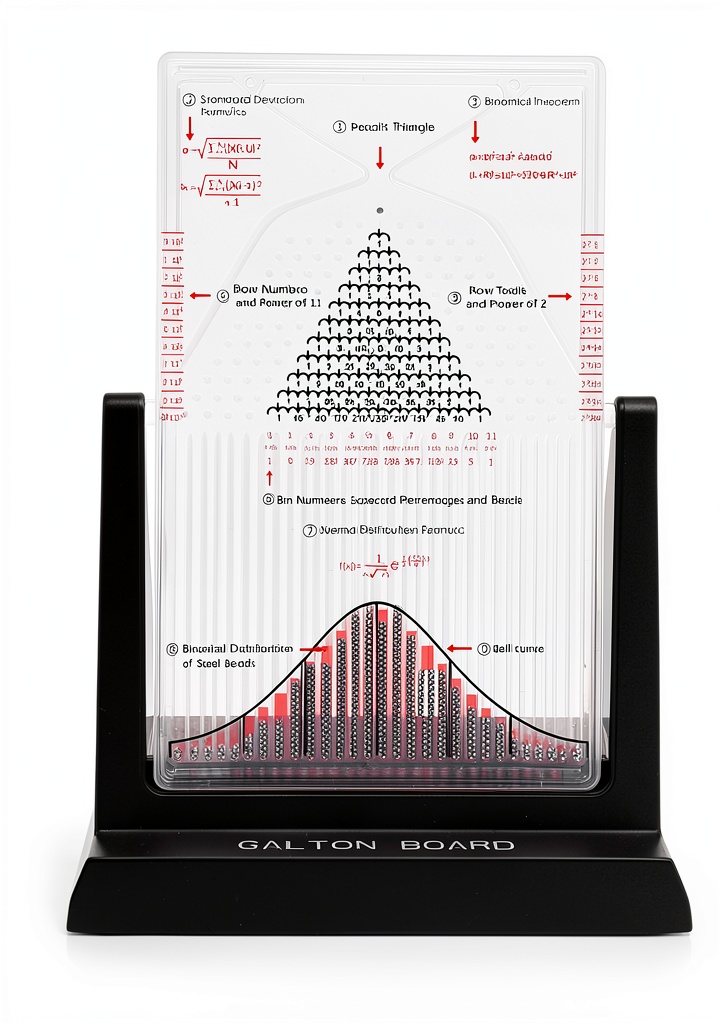
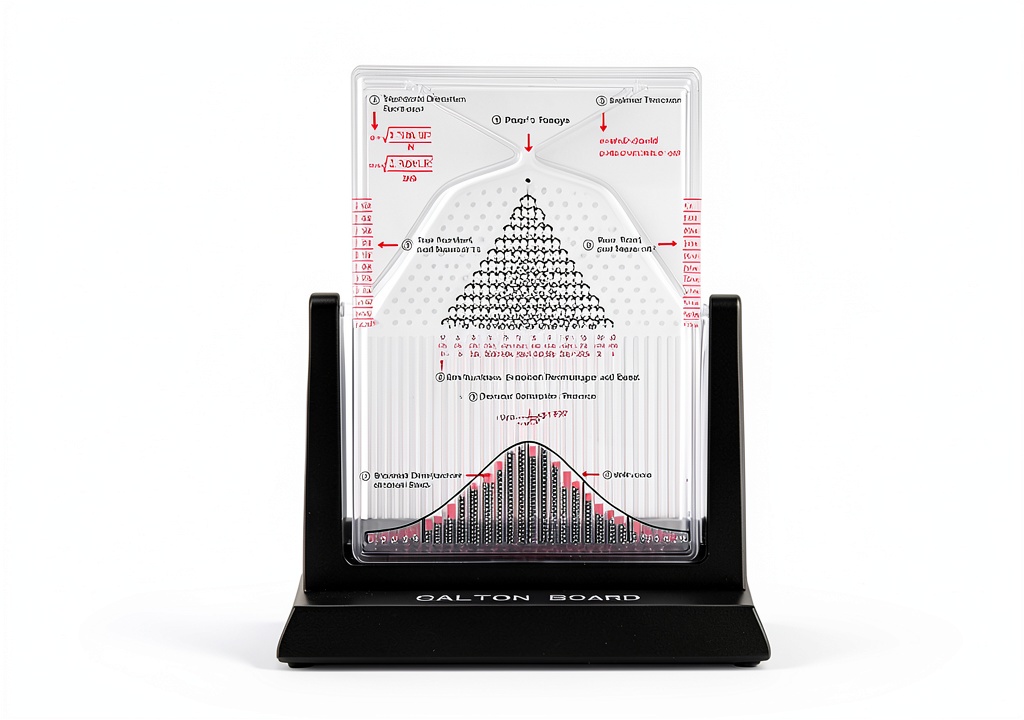
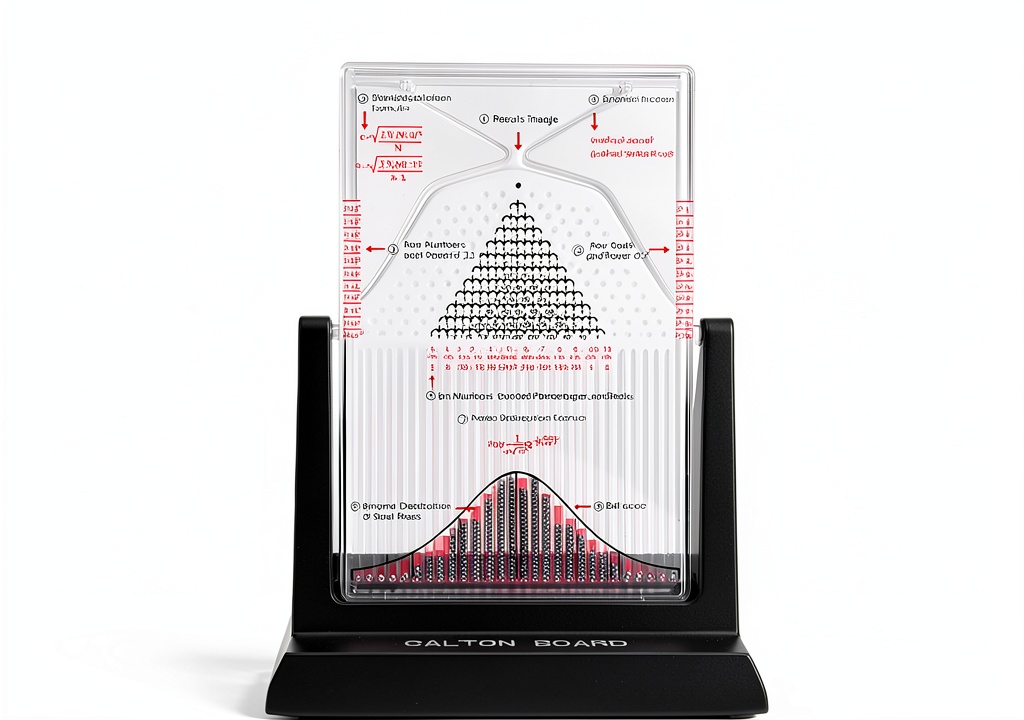
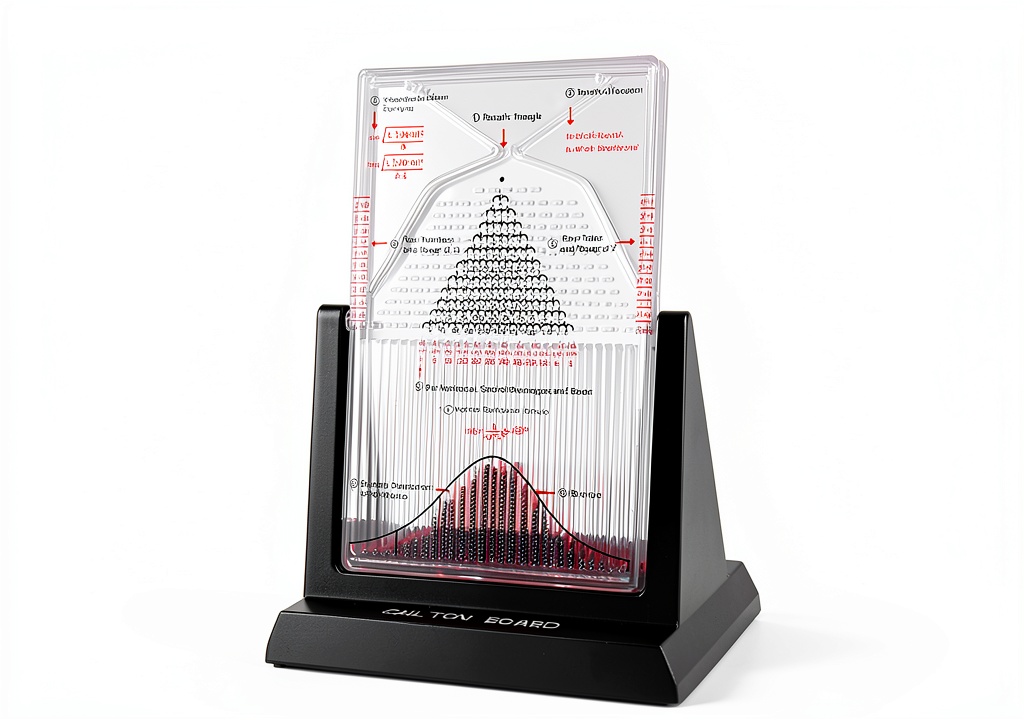
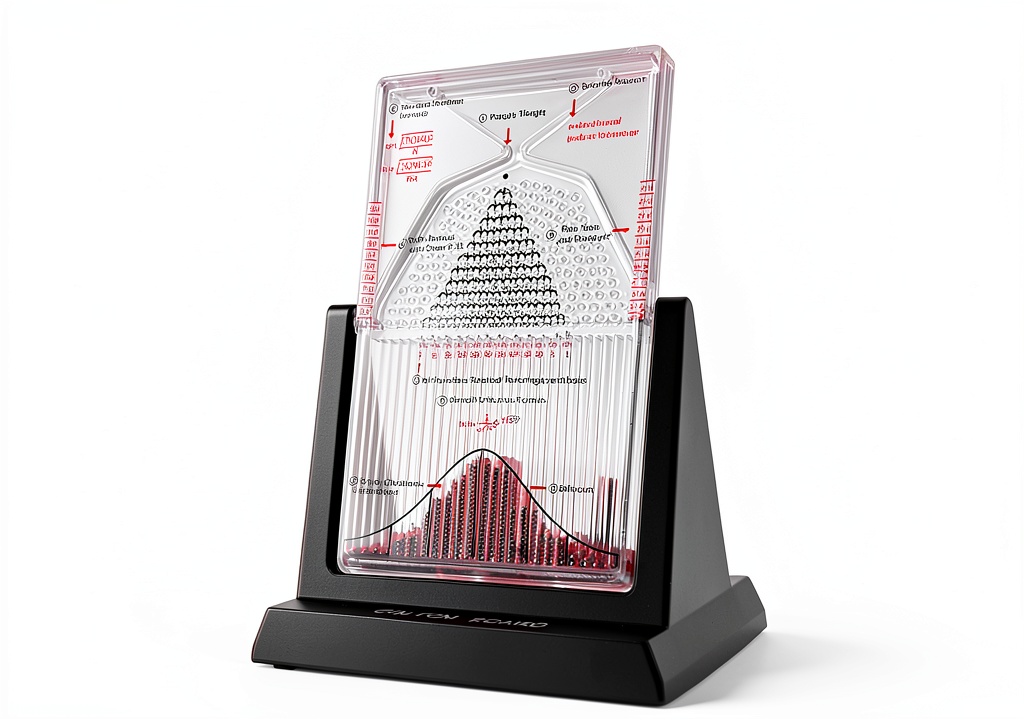
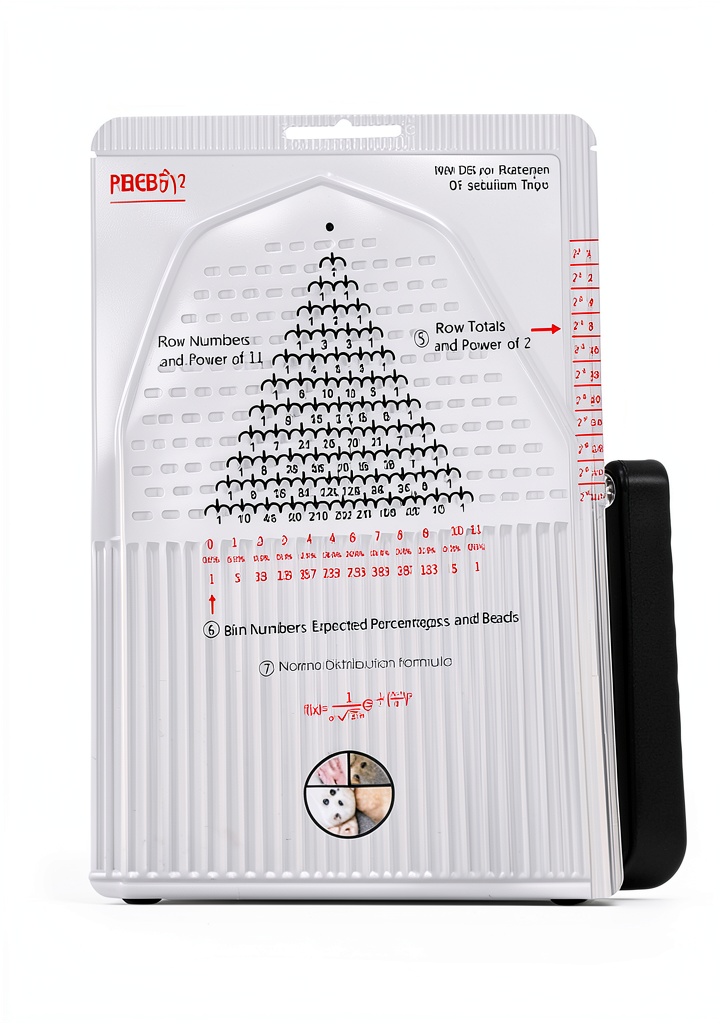
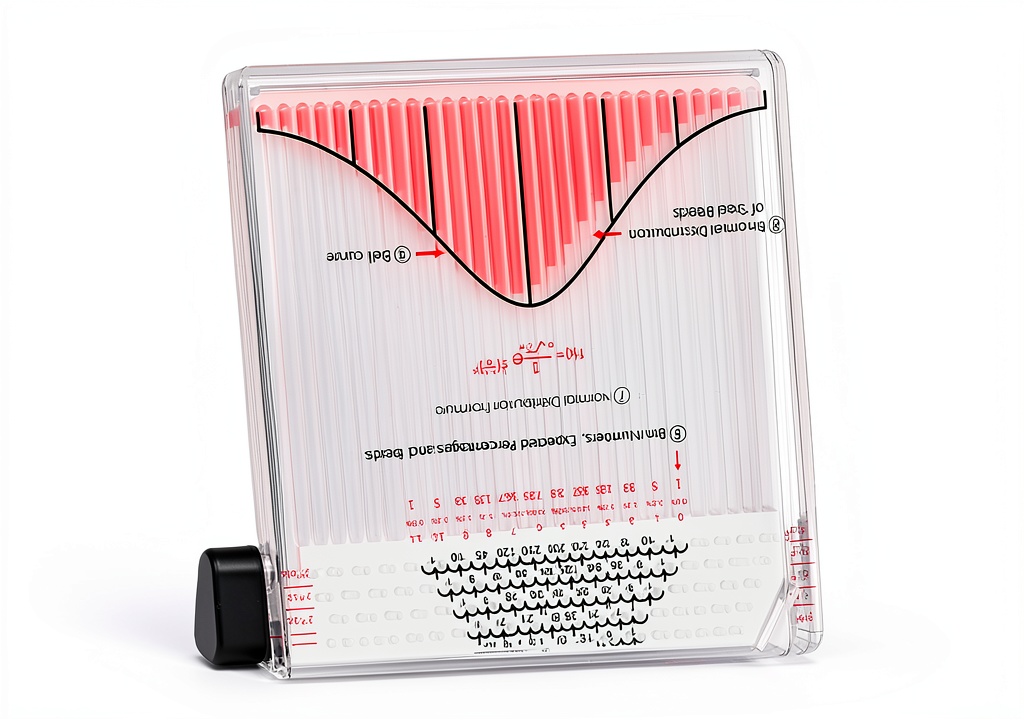
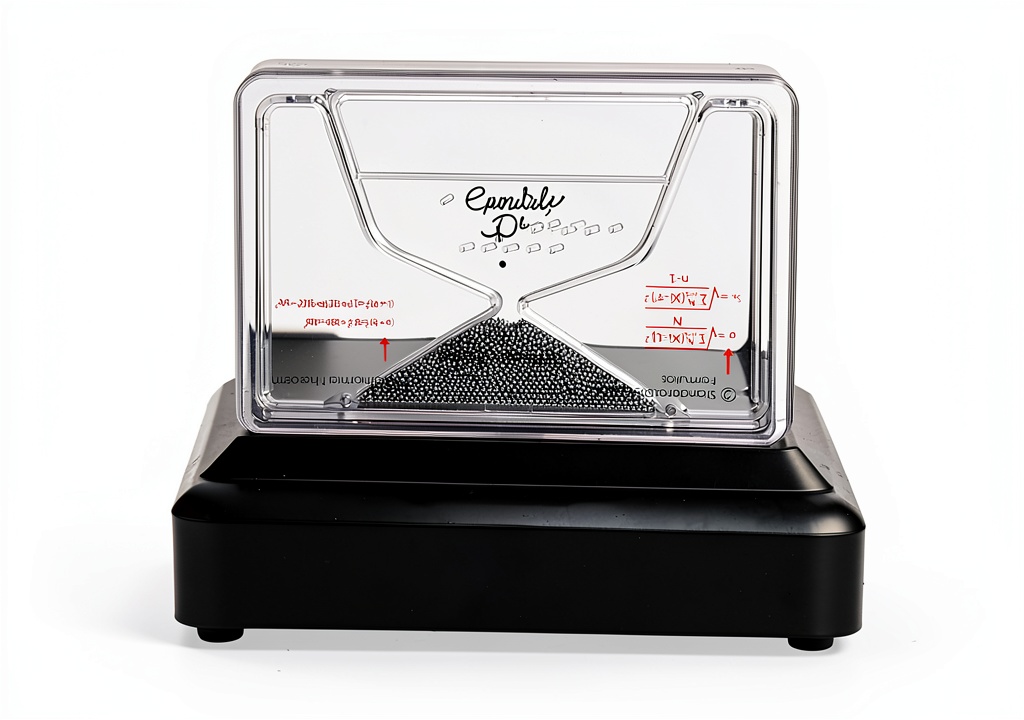
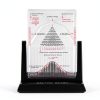
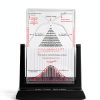
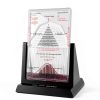
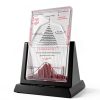
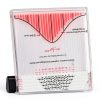
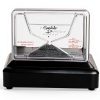
The WALFRONT Probability Demonstration Board is a purpose‑built educational instrument designed to make the abstract concepts of probability and statistics concrete for young learners. Crafted with a sturdy, low‑gloss polymer frame and a clear acrylic surface, the board provides a durable platform that can withstand frequent classroom handling while maintaining visual clarity. The primary keyword “probability” appears at the forefront of the product name, ensuring that search engines and educators alike can quickly identify its core function. By combining a series of strategically placed pegs with a cascade of colored beads, the board creates a visual representation of random events, allowing students to observe how individual outcomes aggregate into recognizable statistical patterns. This hands‑on approach aligns with modern pedagogical methods that emphasize experiential learning, critical thinking, and data literacy. Teachers can integrate the board into daily lessons, using it to illustrate concepts such as binomial distribution, mean, variance, and the law of large numbers, thereby bridging theory and practice in a memorable way.
The board measures 6.29 inches in width, 5.11 inches in depth, and stands 5.11 inches tall, offering a compact footprint that fits comfortably on most classroom desks or lab tables. Weighing just 12.3 ounces, it is lightweight enough for a single teacher to transport between rooms, yet its reinforced polymer construction ensures stability during vigorous demonstrations. The surface is treated with an anti‑scratch coating to protect the clear viewing area from bead marks and classroom wear, while the pegs are fabricated from stainless‑steel to resist corrosion and bending. All components comply with the ASTM F963 safety standard for toys and educational equipment, making the board safe for children aged 18 months and older. The included bead set consists of 100 uniformly sized plastic spheres, each calibrated to roll smoothly through the obstacle field, providing consistent results across repeated trials.
The underlying physics of the Probability Demonstration Board is based on the principle of random sampling and the emergence of the normal distribution through repeated independent events. As each bead is released from the top of the board, it encounters a series of pegs that deflect its path in a stochastic manner, mimicking the random variables encountered in real‑world data sets. Over many releases, the collective trajectories of the beads converge toward the classic bell‑shaped curve, providing a visual proof of the central limit theorem without requiring complex equations. This tangible illustration helps students grasp why large sample sizes tend to produce predictable patterns, reinforcing the concept that randomness can yield order when observed at scale. The board’s design also allows educators to modify the peg arrangement, creating custom probability distributions such as skewed or uniform patterns for advanced classroom experiments.
The WALFRONT board aligns with several national education standards, including the Common Core State Standards for Mathematics (CCSS.MATH.CONTENT.7.SP) and the Next Generation Science Standards (NGSS) for developing and using models. By providing a concrete visual model of probability, the board supports objectives related to data representation, statistical reasoning, and the design of experiments. Teachers can use the board to fulfill curriculum requirements for grades 4 through 8, where students are expected to collect, organize, and interpret data sets. Additionally, the product includes a downloadable lesson plan that maps activities to specific standards, offering step‑by‑step guidance for integrating the demonstration into existing lesson structures. The lesson plan also suggests assessment rubrics, enabling educators to evaluate student understanding of concepts such as mean, median, mode, and variability after each hands‑on session.
The package includes the assembled board, a set of 100 colored beads, a storage tray, and a concise user manual that outlines assembly, safety precautions, and activity ideas. The storage tray is molded from the same impact‑resistant polymer as the board, ensuring that beads remain organized and protected when not in use. For schools that require multiple units, WALFRONT offers bulk purchasing options and optional accessories such as additional peg plates and interchangeable backdrop panels that allow educators to create varied experimental scenarios. All components are printed with non‑toxic inks, and the packaging is recyclable, reflecting the company’s commitment to environmentally responsible manufacturing. Customer support is available via email and phone, providing prompt assistance for any technical or instructional queries.
![[Product front view showing all components]](https://www.eonex.store/wp-content/uploads/2026/06/6f7fb965706a4f169398b8a12891a7e3.jpg)
Usage
In a typical elementary classroom, the Probability Demonstration Board fits neatly on a standard 30‑inch desk, allowing a teacher to conduct a full‑class demonstration without crowding the space. The lightweight design enables a single educator to lift and position the board at the front of the room, where all students can see the clear acrylic surface. Because the board operates silently, it does not disrupt the learning environment, making it suitable for both morning and afternoon sessions. Teachers can pair the demonstration with interactive whiteboard software, projecting live video of the bead cascade to reinforce visual learning for students seated farther from the board. The board’s compact size also makes it ideal for small group stations, where learners can take turns releasing beads and recording outcomes on their own worksheets.
To begin a lesson, the teacher first arranges the peg board according to the desired probability scenario, such as a uniform grid for a simple binomial experiment or a staggered layout for a skewed distribution. Once the pegs are in place, the instructor selects a handful of beads from the storage tray and places them at the designated release point at the top of the board. By gently tilting the board, the beads roll down, encountering each peg and changing direction in a random yet observable manner. After each run, the teacher collects the beads in a separate container, tallies the final positions, and records the data on a chart. Repeating the process ten to twenty times provides enough data points for students to plot a histogram and observe the emergence of the normal curve.
The board can be seamlessly incorporated into mathematics curricula that cover probability, data analysis, and algebraic concepts. For example, during a unit on probability, students can predict the likelihood of a bead landing in a particular column, then test their hypothesis by conducting multiple trials. The resulting data set serves as a basis for calculating experimental probability, comparing it to theoretical values, and discussing sources of variation. In a science class, the same apparatus can illustrate concepts of random motion, diffusion, and statistical mechanics, linking the visual demonstration to real‑world phenomena such as particle movement in fluids. By documenting observations in science notebooks, learners develop scientific writing skills while reinforcing quantitative reasoning.
Beyond the classroom, the Probability Demonstration Board serves as an engaging tool for after‑school clubs, homeschooling families, and educational fairs. Parents can set up a mini‑lab at the kitchen table, allowing children to explore probability concepts through play, fostering curiosity and confidence in STEM subjects. The board’s quiet operation makes it suitable for library or community center demonstrations, where audiences can observe the bead cascade without noise interference. Additionally, the board can be used as a competition platform, where teams challenge each other to achieve the most accurate experimental probability, encouraging teamwork and friendly rivalry. The versatility of the board ensures that learning continues outside formal instruction, reinforcing the value of hands‑on experimentation.
Why Choose Us
WALFRONT has built its reputation on delivering durable educational equipment that meets rigorous quality standards. Each Probability Demonstration Board undergoes a multi‑stage inspection process, including dimensional verification, material integrity testing, and functional performance checks. The polymer frame is injection‑molded to exact tolerances, ensuring that the board remains flat and stable even after repeated handling. The stainless‑steel pegs are precision‑drilled to maintain consistent spacing, which is critical for producing reliable statistical outcomes. By adhering to ISO 9001 manufacturing protocols, WALFRONT guarantees that every unit shipped to schools and institutions meets the same high level of craftsmanship and reliability.
The board’s low‑gloss polymer surface resists scratches and chemical stains, extending the product’s lifespan in high‑traffic environments. Its anti‑slip rubber feet prevent the board from sliding during demonstrations, protecting both the equipment and the surrounding work surface. All components are free of lead, phthalates, and other hazardous substances, complying with the Consumer Product Safety Commission (CPSC) regulations for children’s educational tools. The bead material is non‑toxic and designed to roll smoothly without breaking, reducing the risk of small parts becoming loose or causing choking hazards. These safety features make the board appropriate for use by children as young as 18 months, while still providing sufficient depth for older students to conduct sophisticated experiments.
WALFRONT provides comprehensive customer support that includes a dedicated education hotline, email assistance, and an online knowledge base stocked with tutorial videos and printable worksheets. When a teacher purchases the Probability Demonstration Board, they receive a complimentary access code to a members‑only portal where they can download lesson plans aligned with national standards, as well as assessment templates for tracking student progress. The support team is trained to answer technical questions about assembly, bead performance, and classroom integration, ensuring that educators can quickly resolve any issues and keep lessons on schedule. Additionally, WALFRONT offers a 30‑day satisfaction guarantee, allowing schools to return the product for a full refund if it does not meet expectations.
Although the product currently holds a modest rating on major marketplaces, WALFRONT actively solicits feedback from educators to drive continuous improvement. Recent updates have focused on enhancing bead uniformity and refining the peg layout to produce smoother probability curves. The company also encourages users to share classroom success stories, which are featured on the brand’s website and social media channels, providing peer‑to‑peer validation for prospective buyers. By maintaining an open dialogue with its customer base, WALFRONT demonstrates a commitment to delivering value beyond the point of sale, fostering long‑term relationships with schools and learning centers worldwide.
Key Features
- Durable polymer frame with anti‑scratch coating ensures long‑term classroom use and clear visibility of bead paths, making it ideal for daily demonstrations and repeated experiments without degradation.
- Stainless‑steel pegs provide precise spacing and resist bending, delivering consistent statistical results across multiple trials, ensuring reliable data for both introductory and advanced probability lessons.
- 100 uniformly sized plastic beads roll smoothly through obstacles, creating real‑time visualizations of normal distribution curves for hands‑on learning, helping students connect theory with observable outcomes.
- Compact 6.29 x 5.11 x 5.11 inch footprint fits on standard desks, while lightweight 12.3‑ounce design allows easy transport between classrooms, making setup quick and storage convenient for busy teachers.
- Includes a detailed lesson plan, storage tray, and access to online tutorials, plus responsive after‑sales support for any technical or instructional queries.
FAQ
How many beads should I use for a reliable demonstration?
For most classroom activities, using the full set of 100 beads provides a robust data set that clearly illustrates the formation of a normal distribution curve. However, teachers can start with smaller batches of 20‑30 beads to demonstrate basic concepts and then increase the number of trials to show how larger samples produce smoother curves. The key is to repeat the experiment enough times—typically 10 to 20 runs—to allow students to collect sufficient data for meaningful analysis and graphing.
Can the peg arrangement be changed to illustrate different probability distributions?
Yes, the board is designed with modular peg plates that can be repositioned or swapped out to create a variety of obstacle configurations. By adjusting the spacing and pattern of the pegs, educators can simulate uniform, skewed, or even bimodal distributions. This flexibility enables teachers to guide students through experiments that explore how changes in the underlying probability model affect the resulting bead paths, deepening their understanding of statistical concepts.
Is the board suitable for students younger than the recommended age?
The board meets safety standards for children 18 months and older, but its primary educational value shines for students in elementary and middle school who can grasp basic probability ideas. Younger children can still enjoy the visual aspect of the beads falling, but teachers should provide close supervision and simplify the activity to focus on observation rather than data analysis. For older students, the board supports more advanced investigations, such as calculating experimental versus theoretical probabilities.
What support resources are available if I encounter issues?
WALFRONT offers a dedicated education support line, email assistance, and an online portal with video tutorials, printable worksheets, and downloadable lesson plans. If any component arrives damaged or does not function as expected, the 30‑day satisfaction guarantee allows for a full refund or replacement. The support team can also help with troubleshooting assembly, optimizing peg layouts, and integrating the board into specific curriculum standards.
 Solid Ash Leg Desk HSLT2448 Black Laminate Top with Metal Braces
Reviews
There are no reviews yet.