



Description
Product Overview
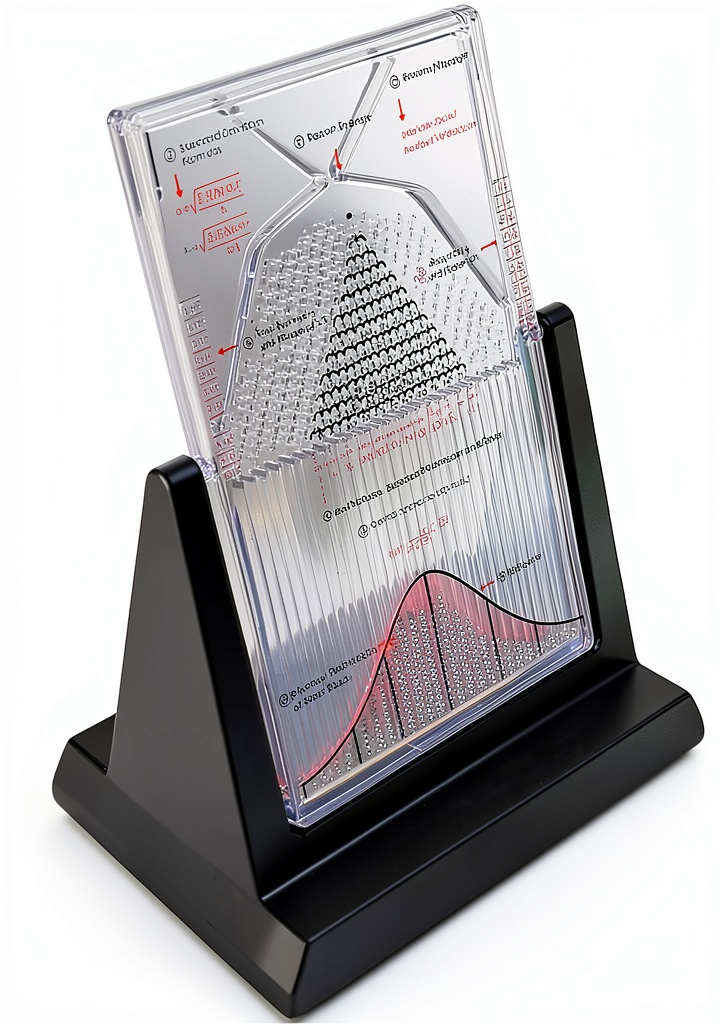
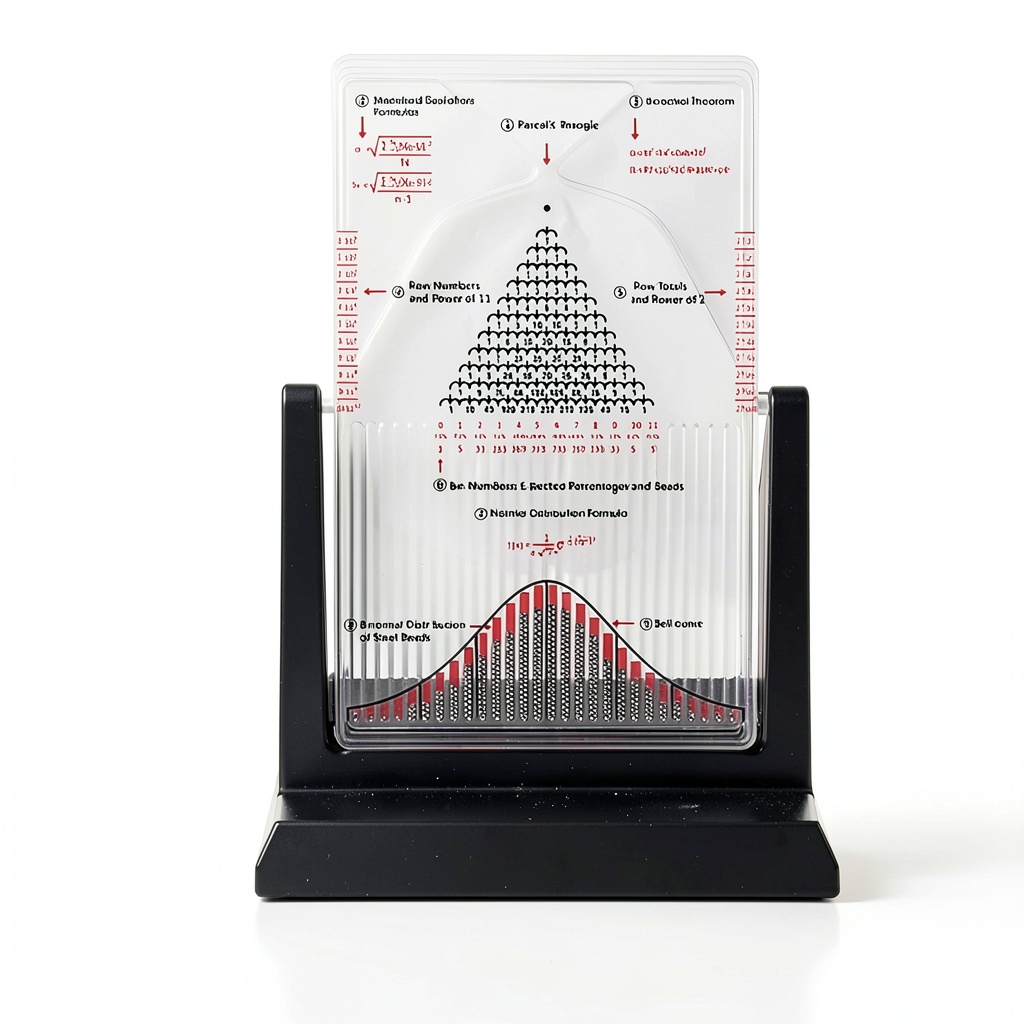
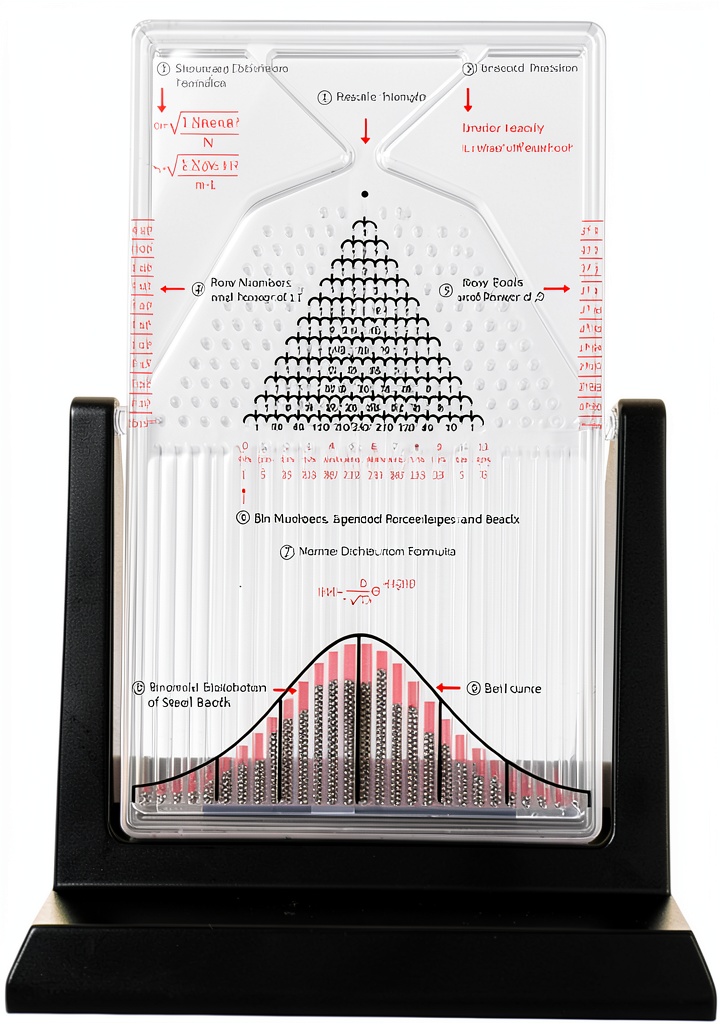
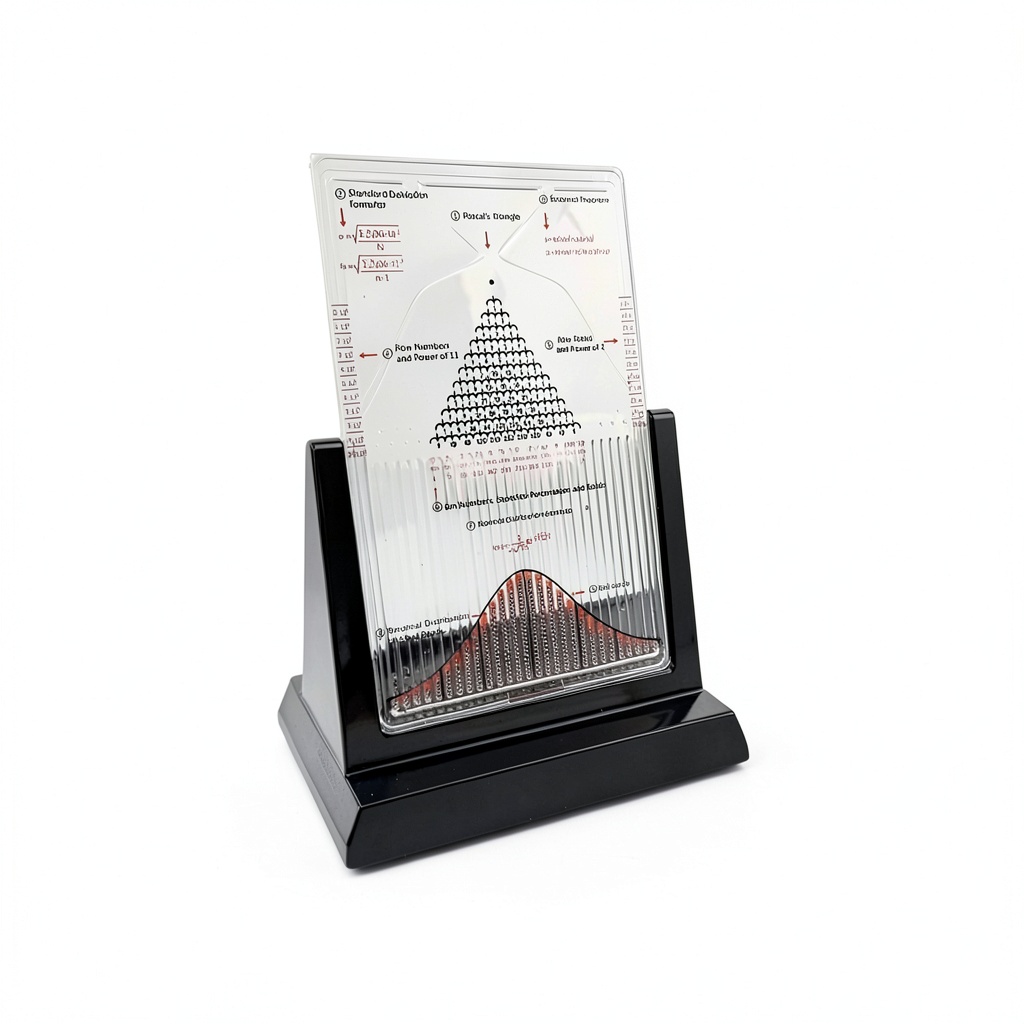
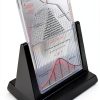
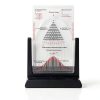
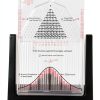
The COYEUX Galton Board is engineered as a compact, desk‑top probability demonstration apparatus that brings abstract statistical concepts to life. Each component is thoughtfully designed: a transparent acrylic frame offers full visibility of the bead pathways, while high‑strength polypropylene (PP) plates provide a resilient base that withstands frequent classroom use. The board features precisely spaced steel pegs arranged in a triangular lattice, guiding steel balls as they cascade down, naturally forming a normal distribution—or bell curve—without any external calculation.
Materials selection emphasizes durability and safety. The acrylic panels are impact‑resistant, ensuring that the visual experience remains clear even after countless drops of steel balls. The PP construction is chemically inert, making the board easy to clean and resistant to wear from accidental spills. All fasteners are stainless‑steel, preventing corrosion and guaranteeing a long service life in busy educational environments.
From a functional perspective, the Galton Board operates without the need for batteries, power cords, or complex setup procedures. Users simply rotate the board to a desired angle, release the steel balls from the top, and watch as they settle into a statistically significant pattern. This immediate visual feedback reinforces concepts such as randomness, probability distribution, and the law of large numbers, making the board an indispensable tool for hands‑on learning.
Beyond its core educational purpose, the board serves as a conversation starter in science fairs, university labs, and corporate training sessions focused on data analysis. Its sleek, modern aesthetic—highlighted by the clear acrylic and matte PP finish—fits seamlessly into a variety of settings, from traditional classrooms to contemporary maker spaces.
Usage
In secondary school physics classes, teachers can integrate the Galton Board into lessons on probability, statistics, and kinetic theory. By allowing students to physically manipulate the beads, the board transforms passive lecture material into an interactive experiment, fostering deeper comprehension and retention. The clear visual of the emerging bell curve helps learners connect theoretical equations with observable outcomes.
University laboratories benefit from the board’s precision and repeatability. In advanced courses on statistical mechanics or thermodynamics, instructors can demonstrate how microscopic particle behavior aggregates into macroscopic phenomena. The board’s ability to simulate gas‑molecule collisions makes it a valuable analog for complex concepts that are otherwise difficult to visualize.
Corporate training programs focused on data analytics and risk assessment can also leverage the Galton Board as a tangible metaphor for random processes. By observing the distribution of steel balls, participants gain an intuitive sense of variance, standard deviation, and the impact of sample size on predictive modeling. The board’s portability ensures it can be used in conference rooms, workshops, and on‑site training environments.
Why Choose Us
COYEUX commits to delivering educational equipment that meets rigorous quality standards. Each Galton Board undergoes a multi‑stage inspection process, including material integrity testing, peg alignment verification, and functional performance checks. This systematic quality assurance guarantees that every unit arrives ready for immediate classroom deployment, eliminating the need for additional calibration or adjustment.
Our design philosophy prioritizes user‑friendly operation. The board requires no assembly; all components are pre‑aligned and secured, allowing educators to focus on instruction rather than setup. The rotating mechanism is engineered for smooth, friction‑less movement, ensuring consistent bead flow and reliable statistical outcomes across repeated experiments.
Customer support is a cornerstone of the COYEUX experience. Buyers receive a comprehensive user manual, detailed lesson plan suggestions, and access to an online knowledge base. Should any issues arise, our dedicated technical team is available to provide prompt assistance, replacement parts, or troubleshooting guidance, reinforcing confidence in the product’s long‑term value.
Key Features
- Clear acrylic construction offers full visibility of bead trajectories for enhanced learning.
- Sturdy polypropylene base ensures durability and resistance to classroom wear and tear.
- Precisely spaced steel pegs create accurate bell‑curve distributions without manual calculations.
- Simple rotate‑and‑release operation requires no assembly, power source, or technical expertise.
- Responsive customer support and comprehensive instructional resources guarantee successful integration.
FAQ
How many steel balls should I use for a reliable bell curve?
For most classroom demonstrations, releasing 200 to 300 steel balls provides a clear and statistically meaningful bell curve. Using fewer balls may result in a less smooth distribution, while larger quantities reinforce the law of large numbers and improve visual accuracy.
Can the board be used with other types of beads or particles?
While the board is optimized for standard steel balls, it can accommodate other uniform spherical objects of similar size and weight, such as glass beads or plastic pellets. However, using materials with significantly different densities may affect the speed of descent and the shape of the resulting distribution.
Is the Galton Board suitable for outdoor demonstrations?
The acrylic and PP components are weather‑resistant, but prolonged exposure to direct sunlight or moisture can degrade clarity over time. For outdoor use, it is recommended to operate the board under a shaded canopy and to store it in a dry environment when not in use.
What safety precautions should be taken during operation?
Ensure that the board is placed on a stable, level surface to prevent tipping. Keep the release area clear of loose items, and advise students to stand back while the steel balls are in motion. The beads are small; supervise younger learners to avoid accidental ingestion.
How does the Galton Board illustrate the concept of randomness?
Each steel ball encounters a series of pegs that deflect it left or right with equal probability. The cumulative effect of these random deflections produces a distribution that mirrors the normal curve, demonstrating how random events can lead to predictable statistical patterns when observed in large numbers.




Reviews
There are no reviews yet.